GYMOGRAM
Building a Social Fitness Platform that Keeps People Motivated Through Community & Gamification.
Overview
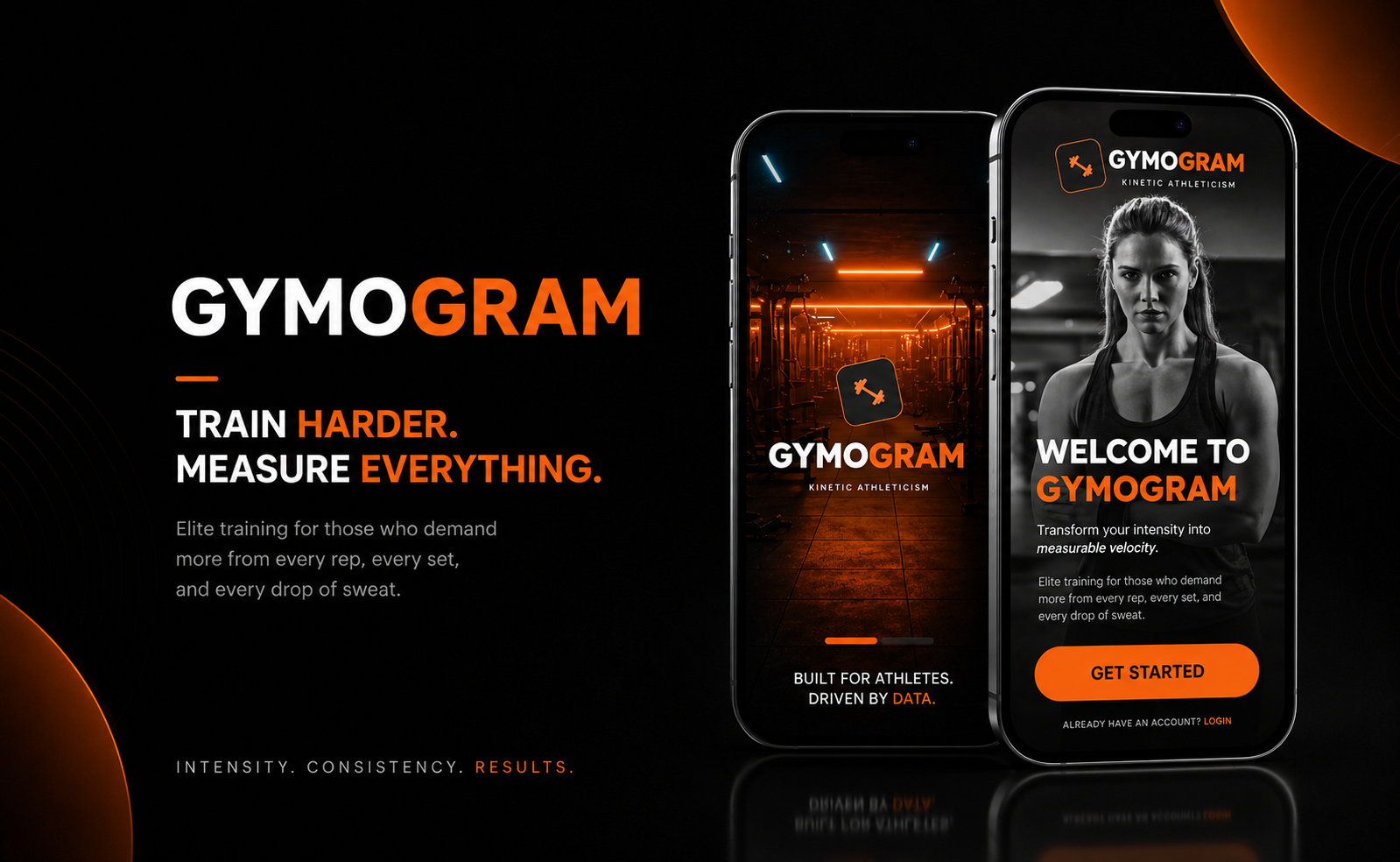
A social fitness platform designed to help people stay consistent through personalized workouts, community engagement, and gamification.
While many fitness applications focus on tracking workouts, users often lose motivation after a few weeks due to a lack of accountability and social interaction. Gymogram addresses this challenge by combining workout planning with social features such as communities, challenges, leaderboards, and progress tracking. The goal was to design an engaging experience that motivates users to build healthier habits over the long term.
The Problem
Many users begin their fitness journey with excitement but gradually lose motivation because exercising alone becomes repetitive. Existing fitness applications provide excellent workout plans but often fail to encourage long-term engagement through social motivation and accountability. As a result, users abandon their fitness routines before achieving their goals.
Lack of Motivation
Excitement fades after a few weeks of solo workouts.
No Accountability
No one to answer to when you skip a session.
Poor Engagement
Tracking alone doesn't sustain long-term interest.
Workout Drop-off
Users quit before seeing meaningful results.
The Solution
Gymogram combines fitness tracking with social interaction to create a more engaging workout experience. Instead of focusing only on workouts, the application encourages users to stay active through challenges, communities, personalized recommendations, and progress visualization.
Challenges
Compete with friends and the community.
Communities
Find your tribe and stay accountable.
Leaderboards
Friendly competition drives consistency.
Progress Tracking
Visualize every milestone achieved.
Personalized Workouts
Tailored plans that adapt to you.
My Role & Timeline
Design Process
Research
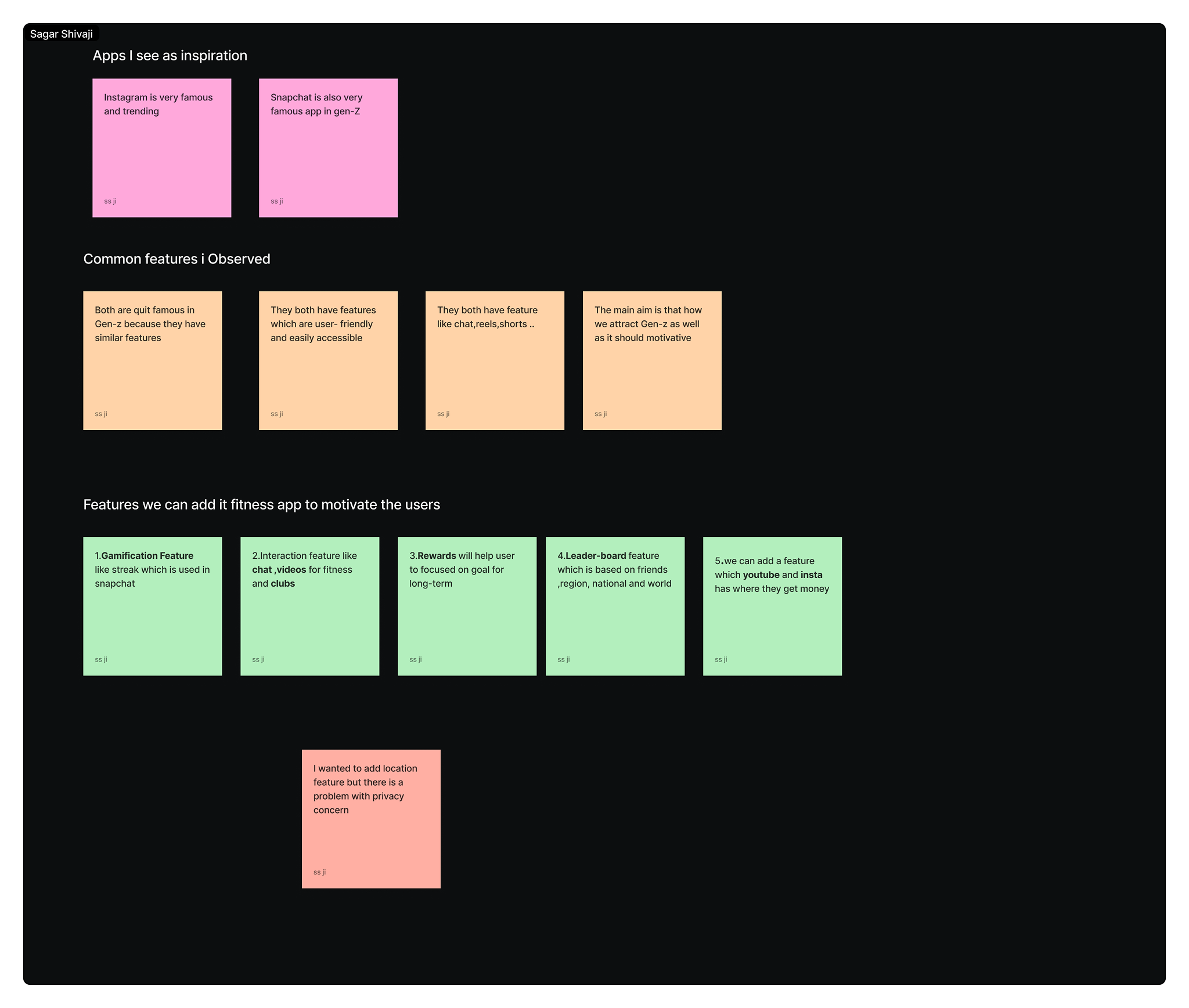
To better understand what motivates users to maintain long-term fitness habits, I analyzed successful social platforms such as Instagram and Snapchat. Instead of studying fitness applications alone, I explored how social engagement, habit formation, and community interaction influence user behavior. This research helped identify features that could increase motivation beyond traditional workout tracking.
Competitive Inspiration
Analyzed successful social platforms to understand engagement patterns beyond the fitness category.
- 🎬 Reels — short-form engagement
- 👥 Community — group connection
- 🔍 Discovery — explore new content
Snapchat
- 🔥 Streaks — daily habit loops
- 📅 Daily Usage — consistent return
- 👫 Friends — social accountability
Key Insights
Users stay motivated when exercising with others. Social connection is the #1 driver of consistency.
Gamification builds habits. Points, badges, and streaks create powerful feedback loops.
Communities improve accountability. Belonging to a group makes users less likely to quit.
Leaderboards encourage participation. Friendly competition boosts weekly activity levels.
Rewards increase consistency. Tangible recognition keeps users coming back.
Opportunity Areas
Based on the research, several opportunities emerged that could improve long-term user engagement. These opportunities became the foundation for Gymogram's core features.
Workout Communities
Rewards
Challenges
Leaderboard
Workout Reels
AI Trainer
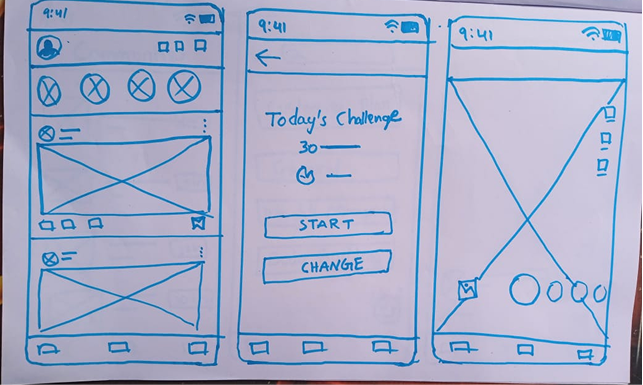
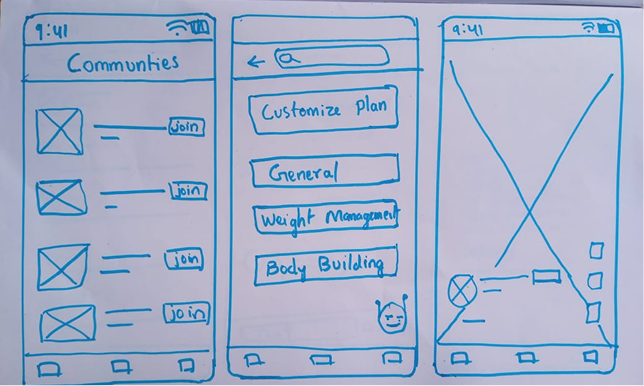
Ideation & Sketches
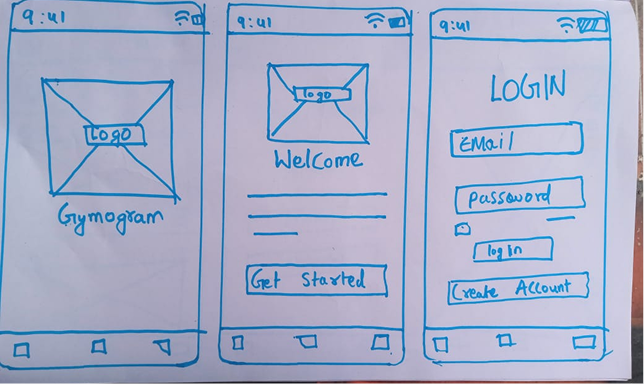
Before moving into digital wireframes, I explored multiple layout concepts on paper. Sketching allowed me to experiment with navigation patterns, screen hierarchy, and interaction flows quickly before investing time in high-fidelity design.
User Flow
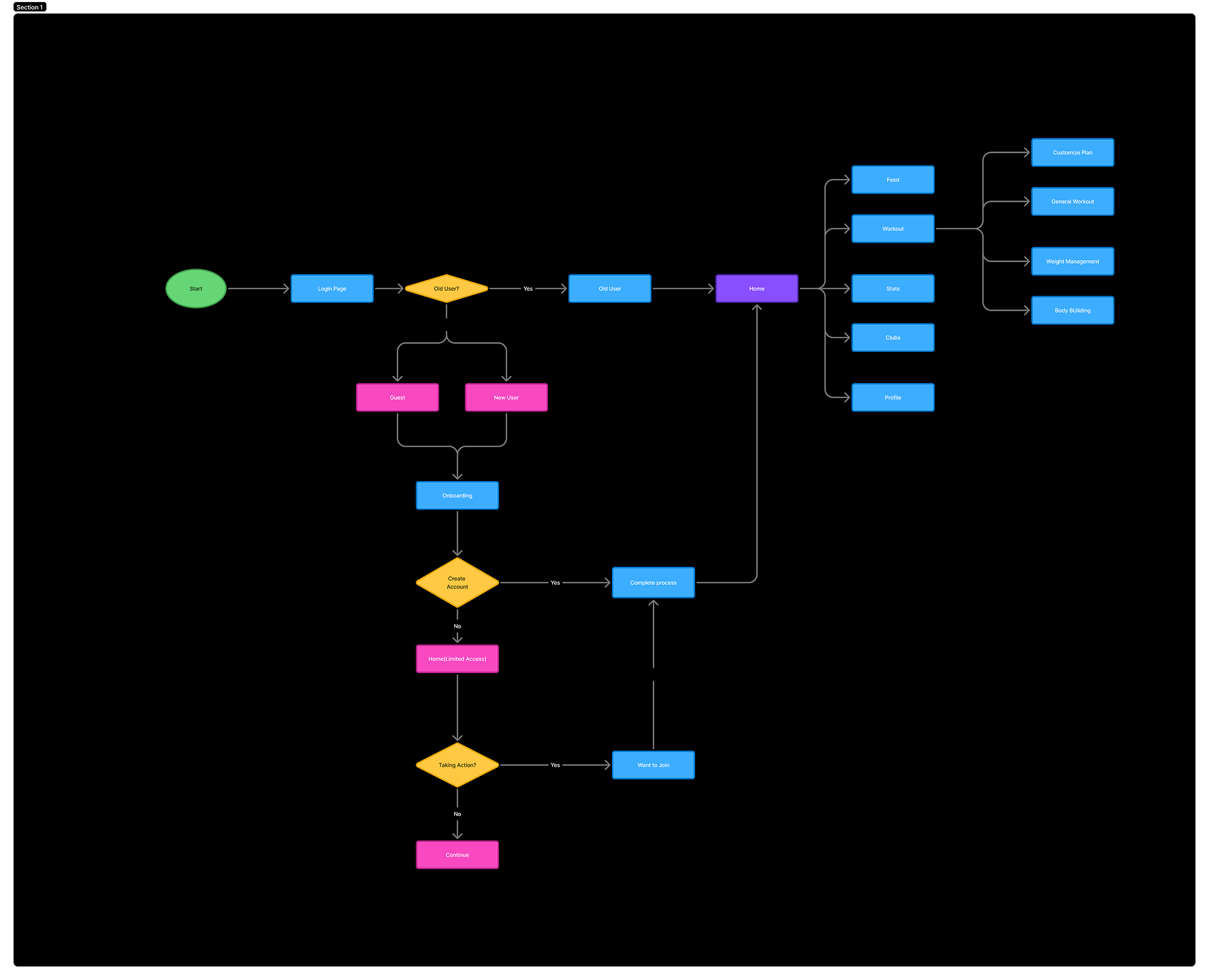
The user flow was designed to minimize onboarding friction while allowing guest users to explore the application before encouraging account creation. The navigation prioritizes quick access to workouts, communities, challenges, and progress tracking.
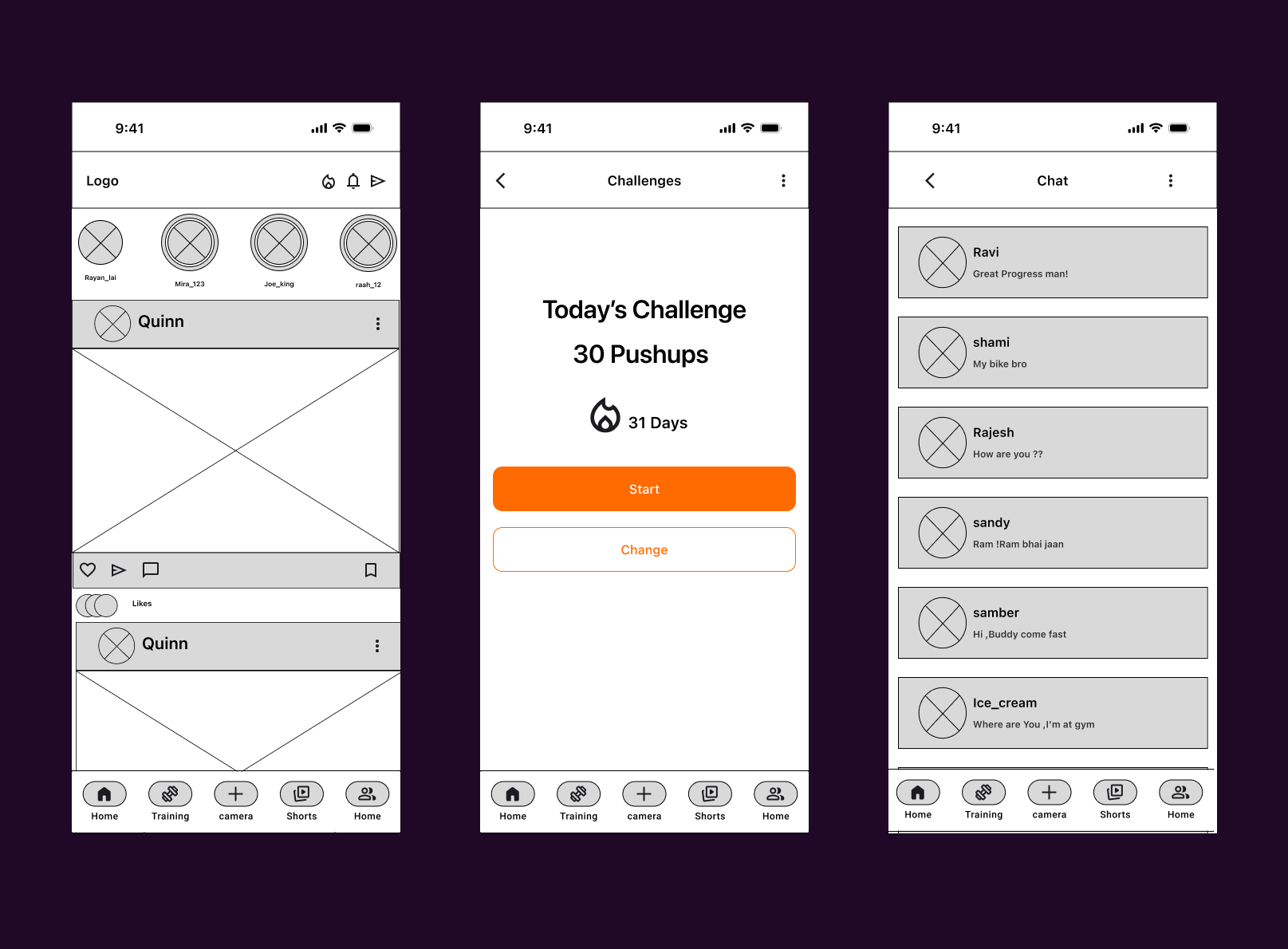
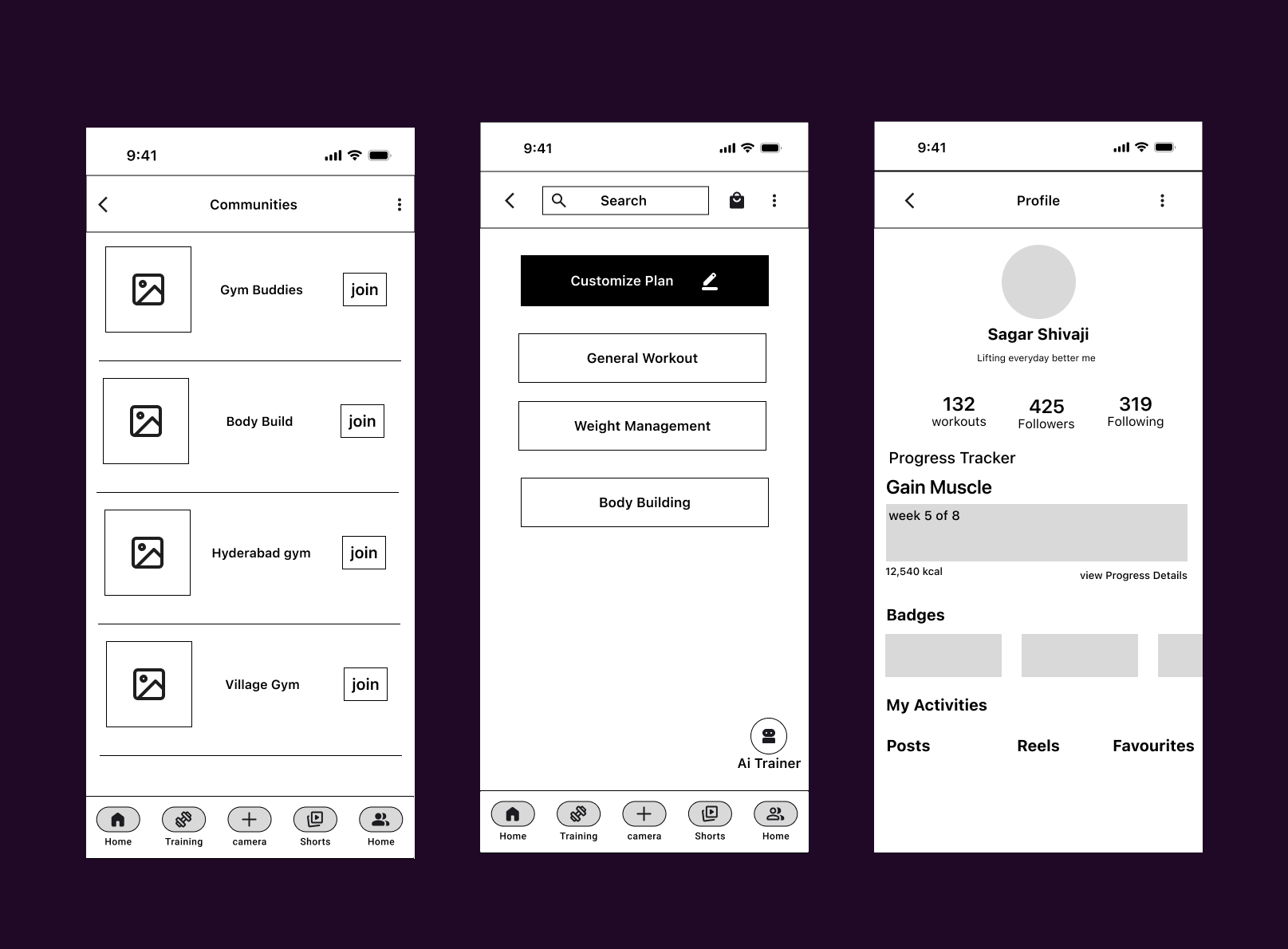
Low-Fidelity Wireframes
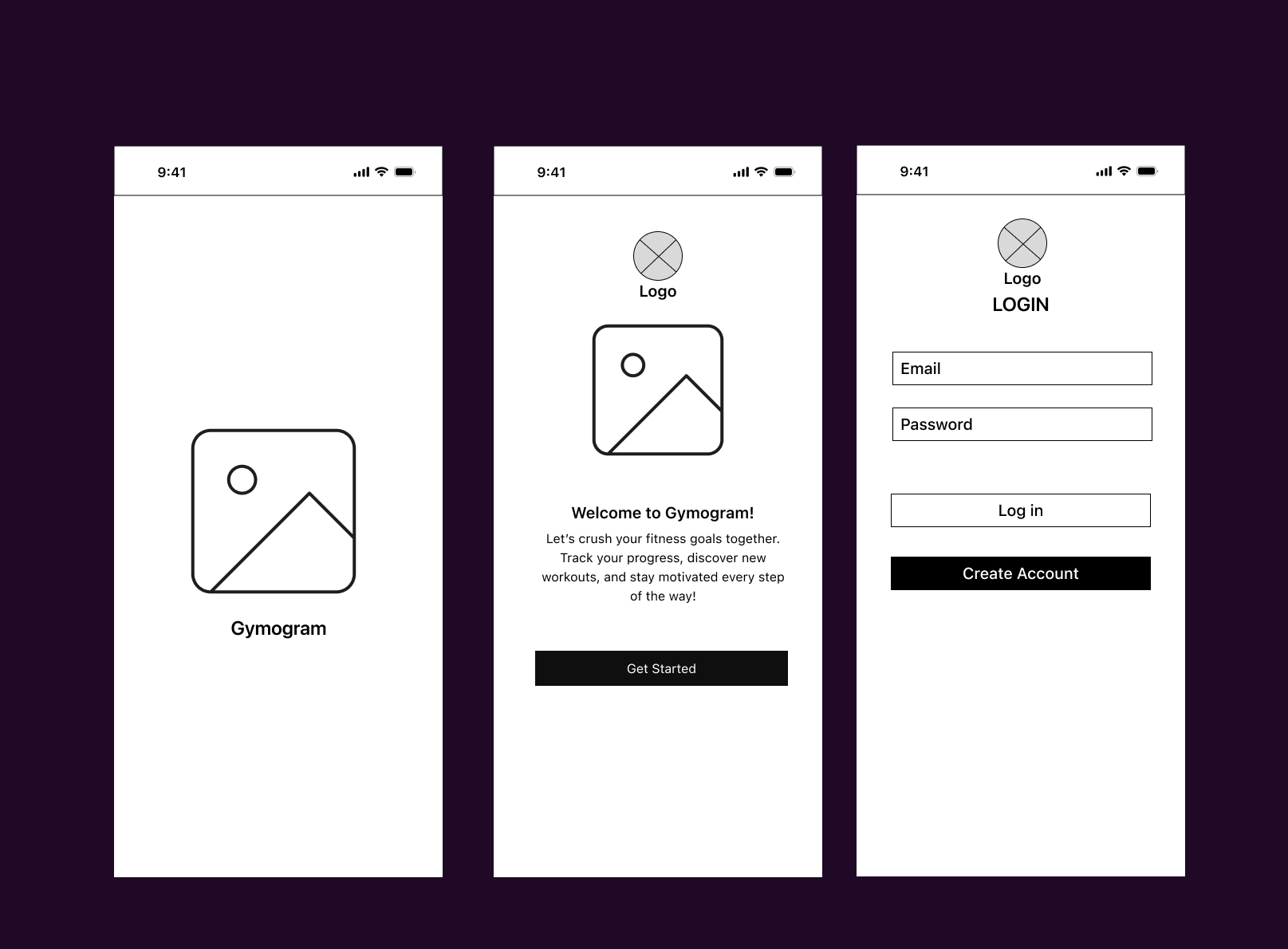
Low-fidelity wireframes helped validate the overall navigation structure and screen hierarchy before focusing on visual design. This stage ensured that user journeys remained simple and intuitive.
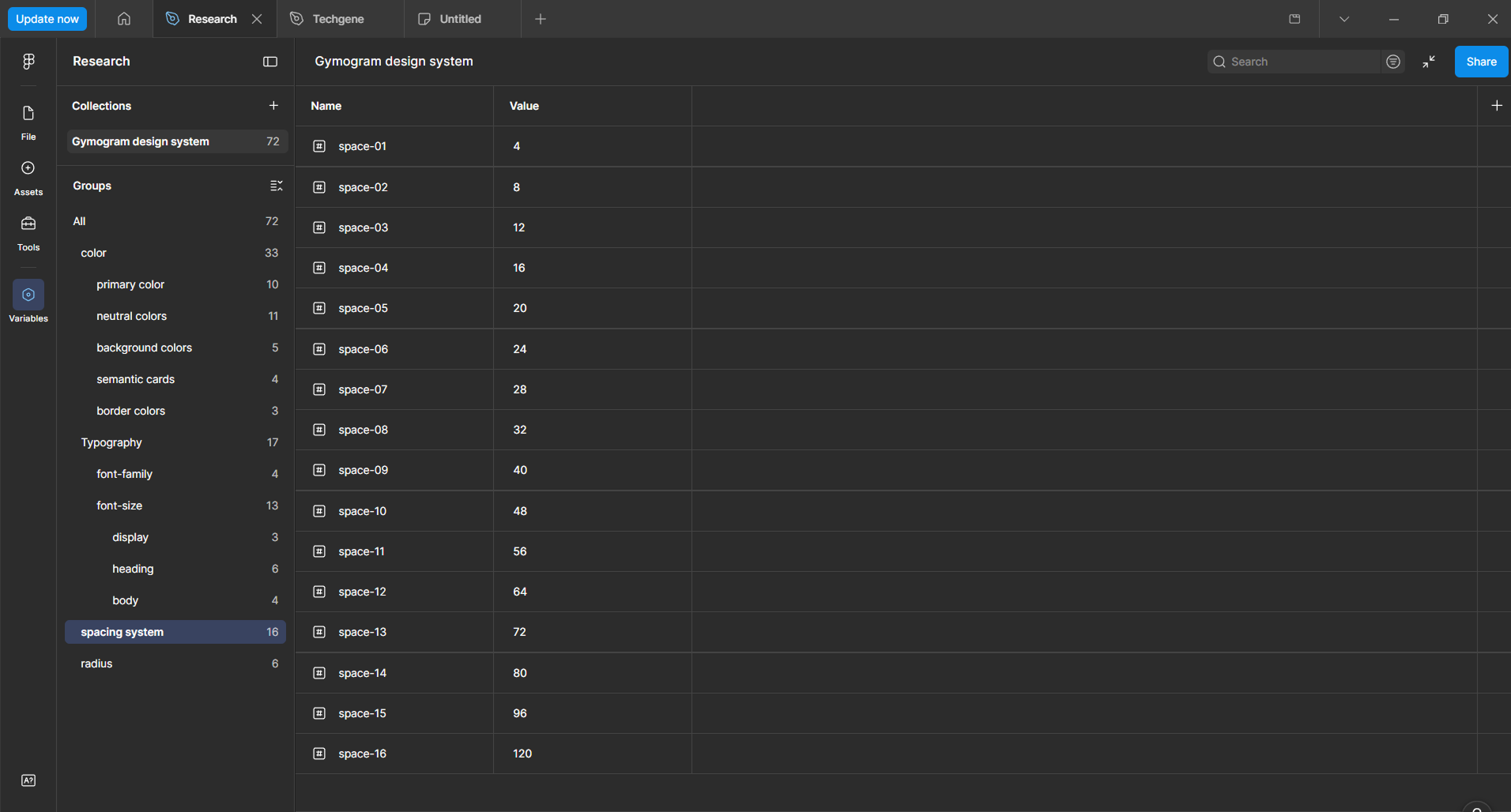
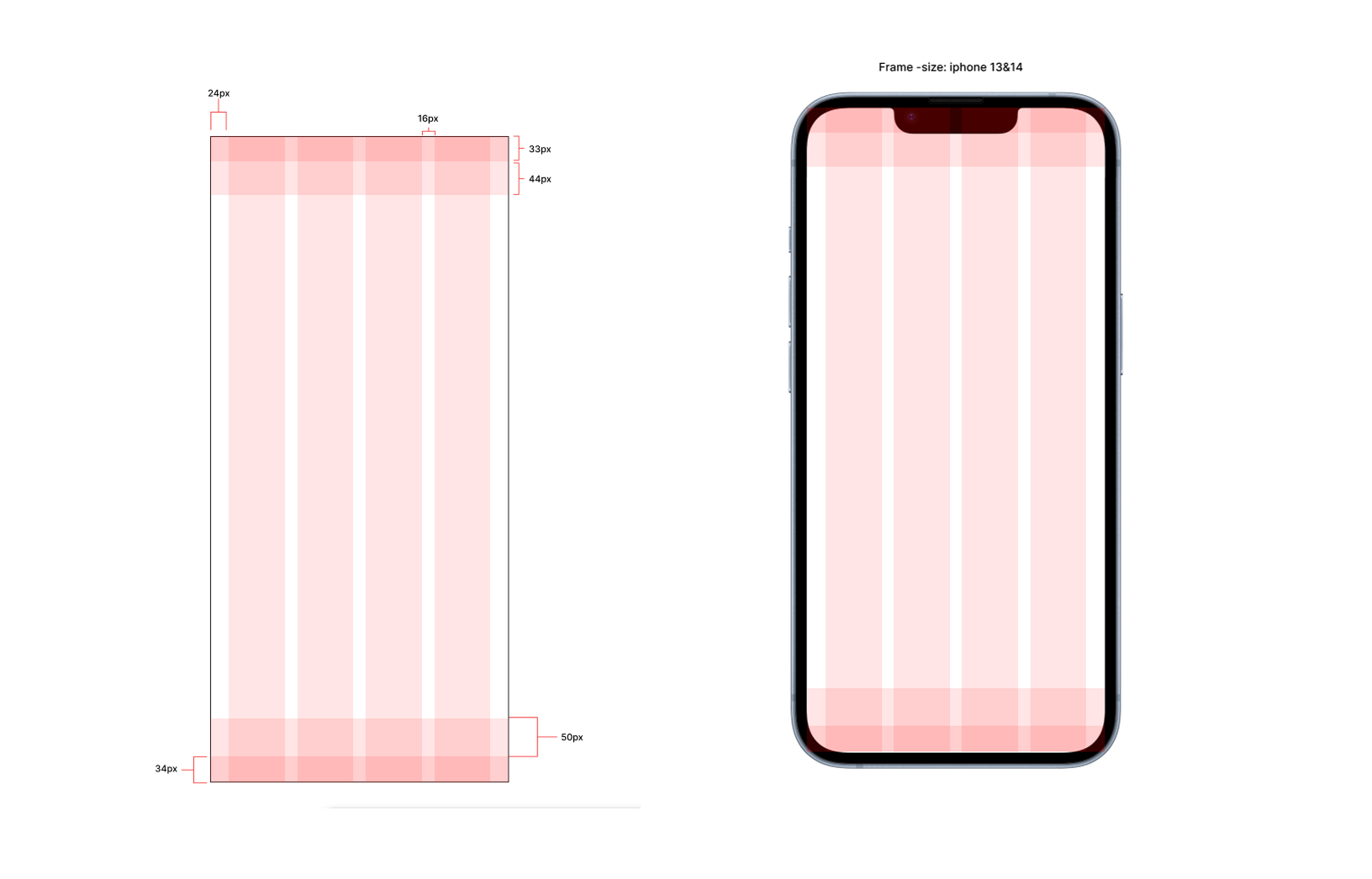
Grid System
An 8-point spacing system and responsive mobile grid were used to maintain visual consistency throughout the application. The grid helped establish alignment, spacing, and scalable layouts across every screen.
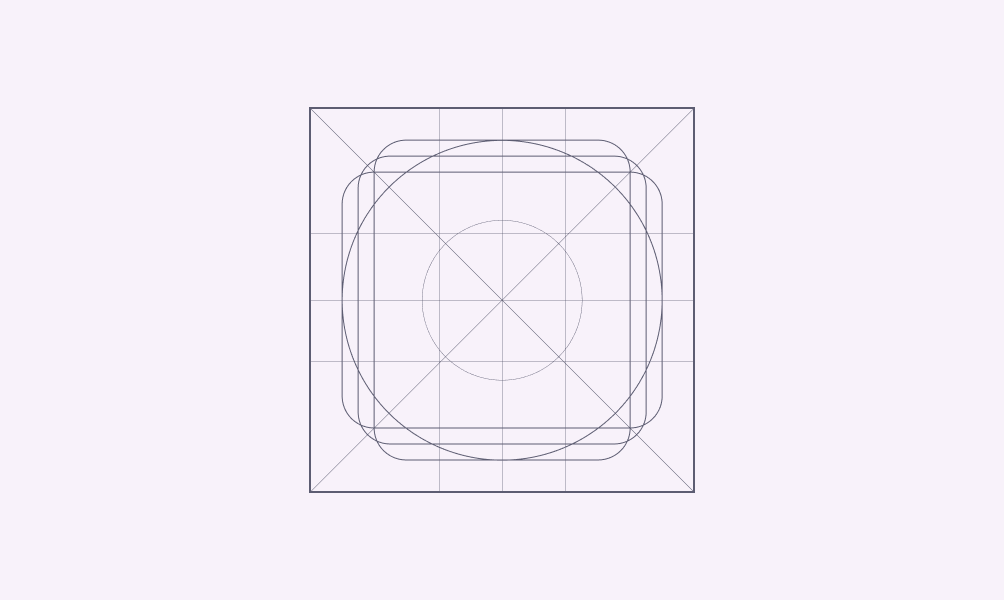
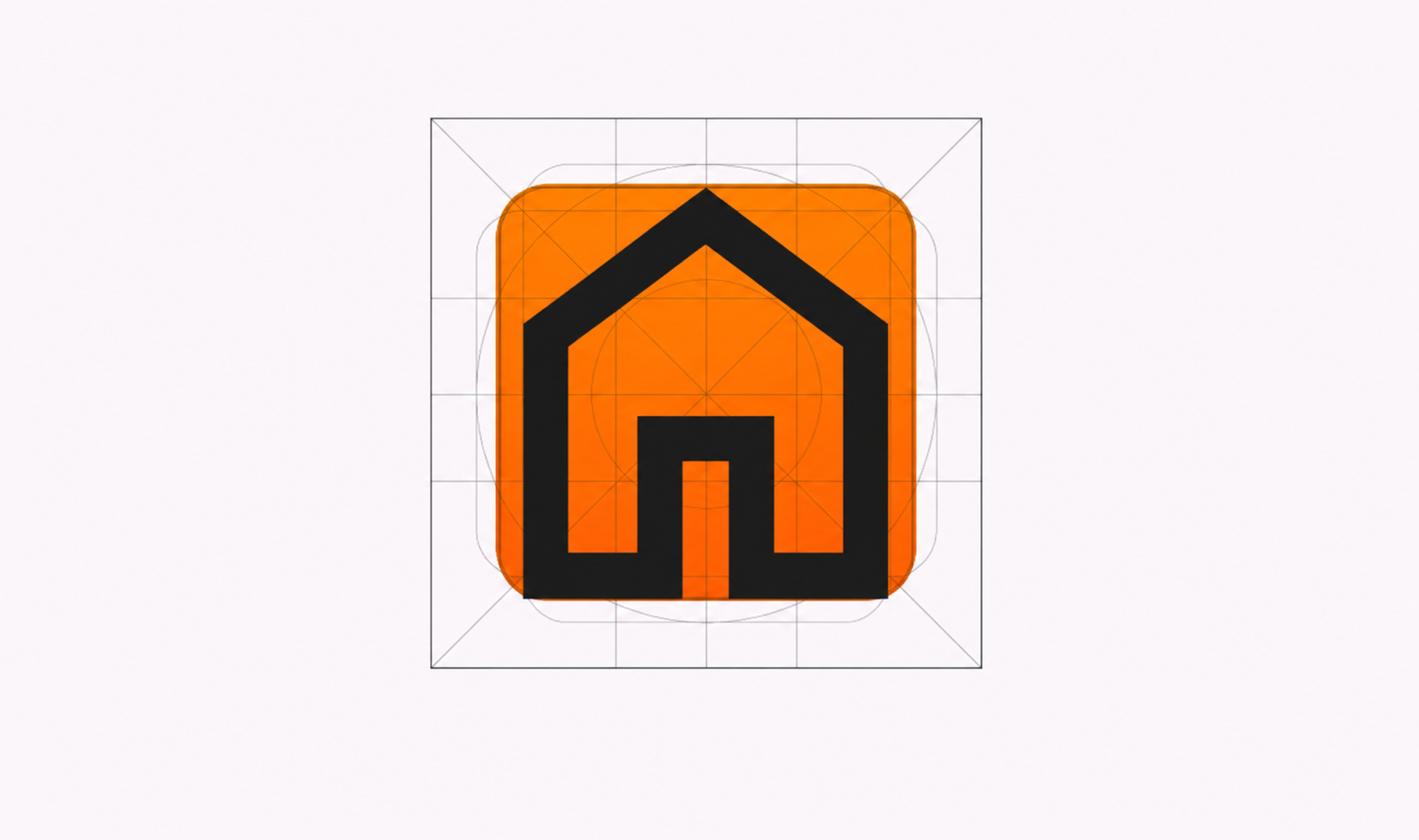
Icon Exploration
Icons were designed to complement the brand's visual language and enhance user experience. Each icon was crafted to be recognizable, scalable, and consistent with the overall design system.

Design System
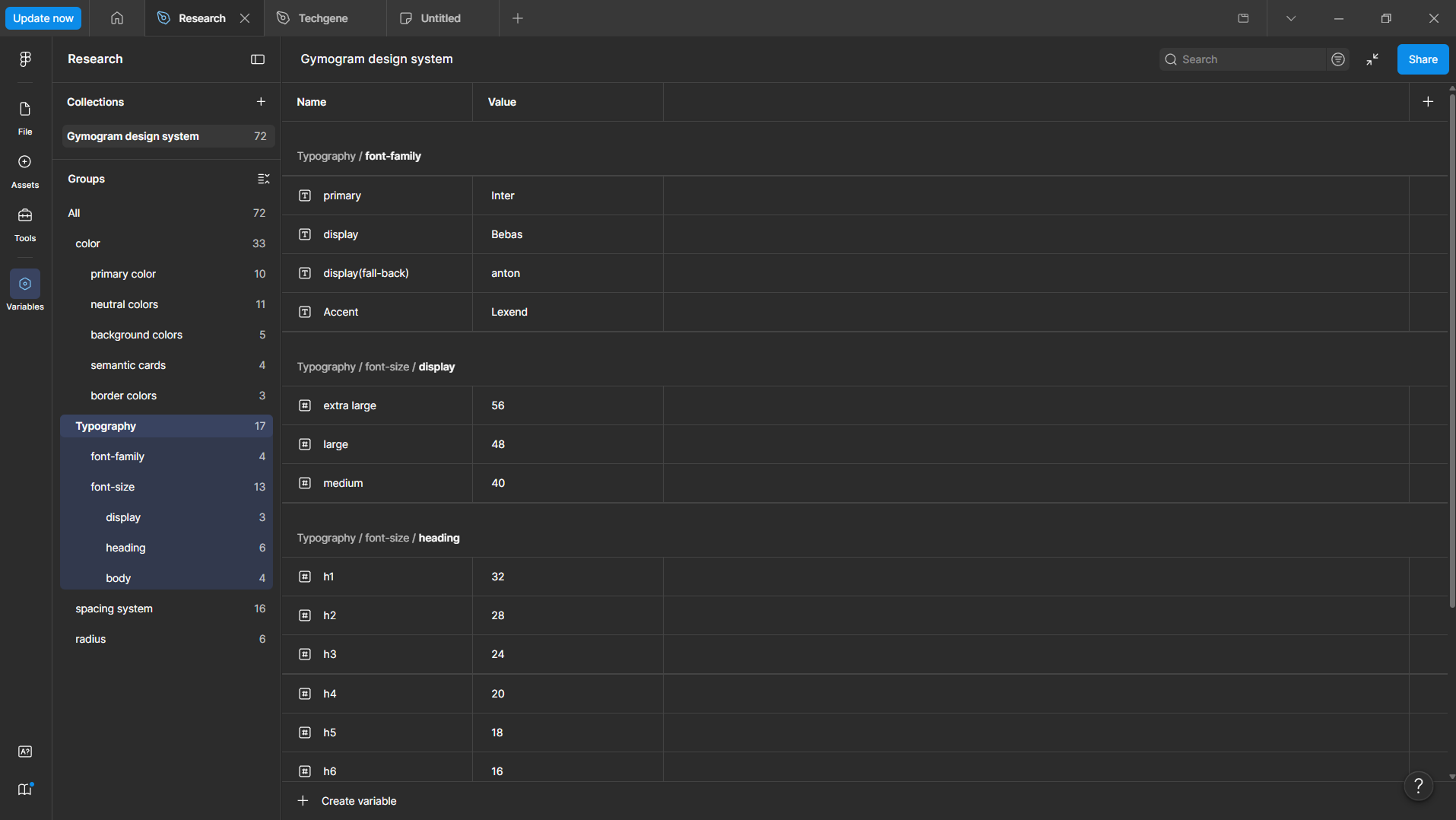
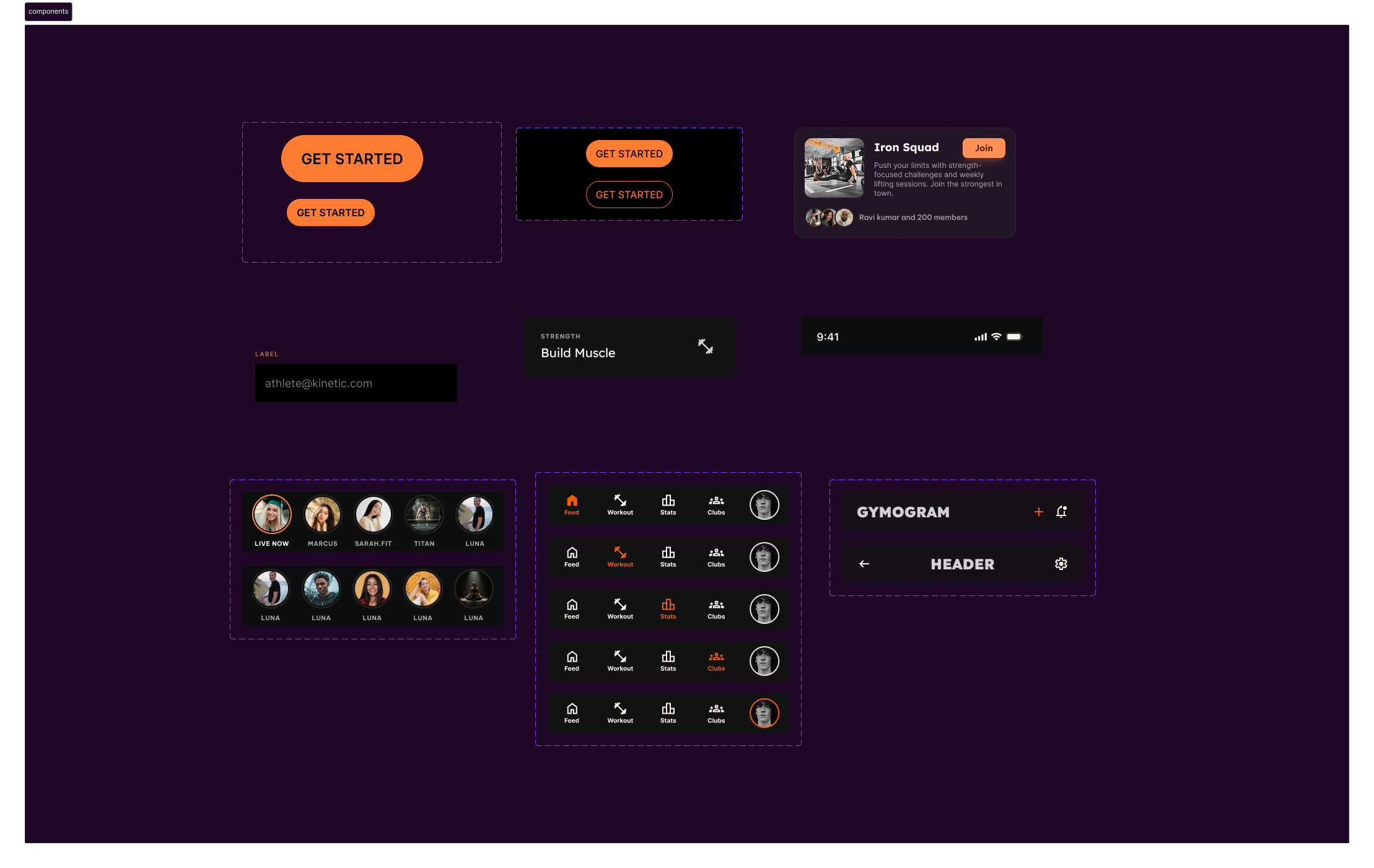
A reusable design system was created to ensure consistency across the entire product. The system includes color tokens, typography scales, spacing variables, border radius, semantic colors, and reusable design tokens. This approach improves scalability and simplifies future iterations.
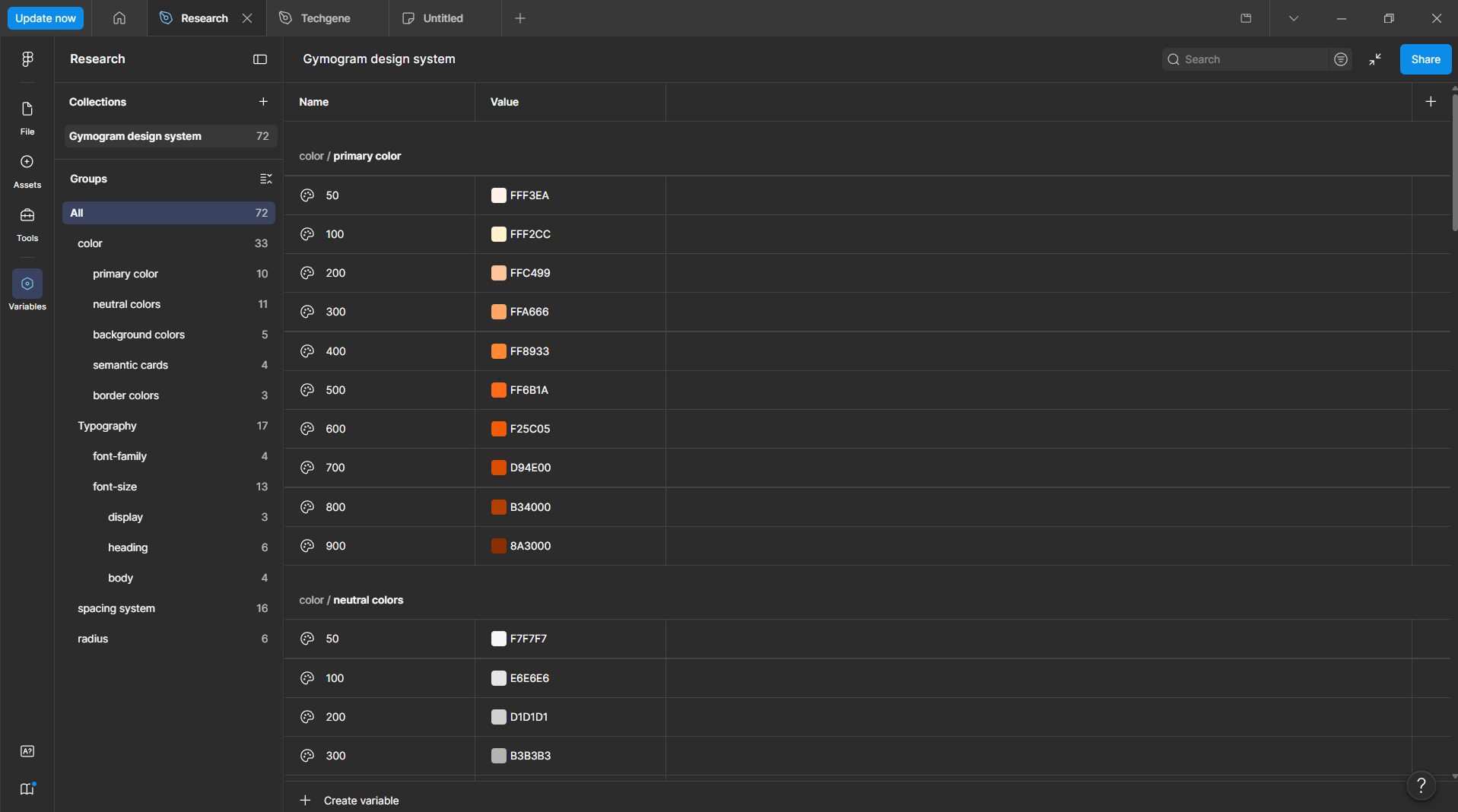
Color Palette
Typography
Spacing Scale (8pt)
Components
Reusable UI components were developed to maintain consistency while reducing design effort. Buttons, navigation bars, cards, profile modules, community cards, and workout components follow shared styles to create a cohesive experience.
High-Fidelity Designs
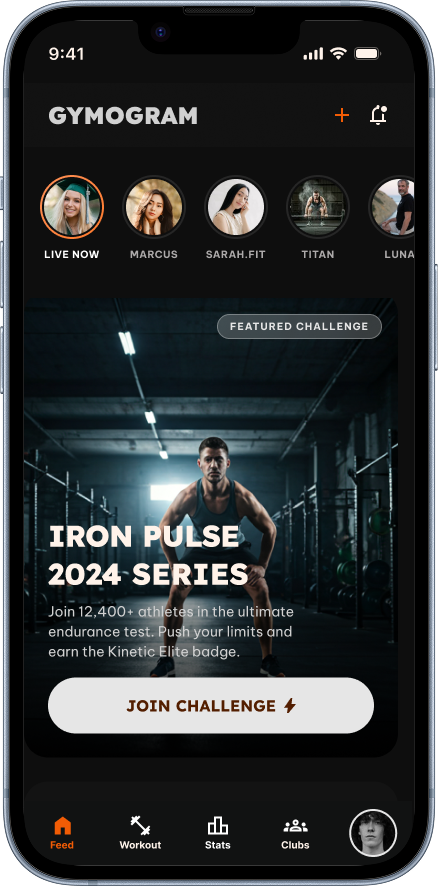
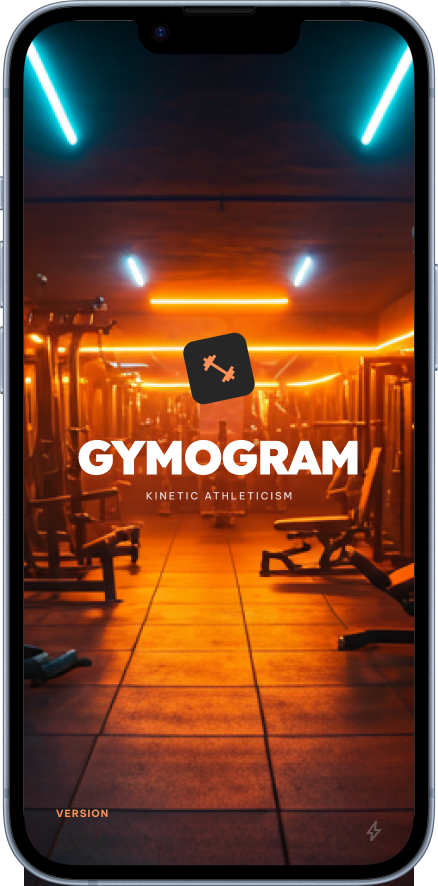
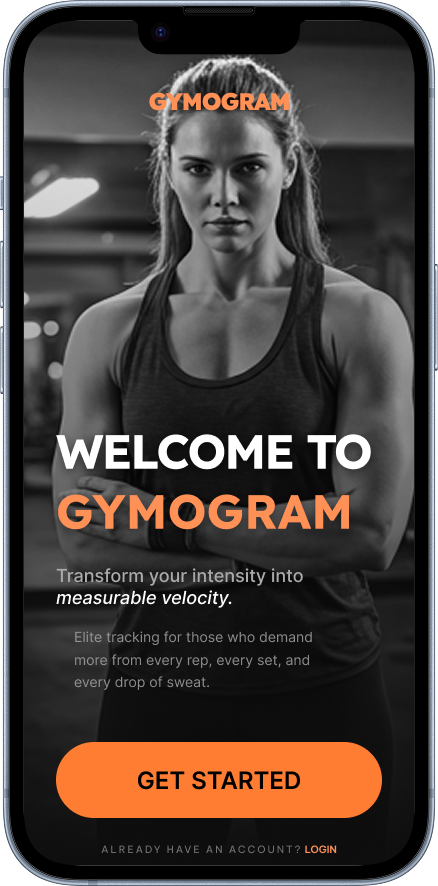
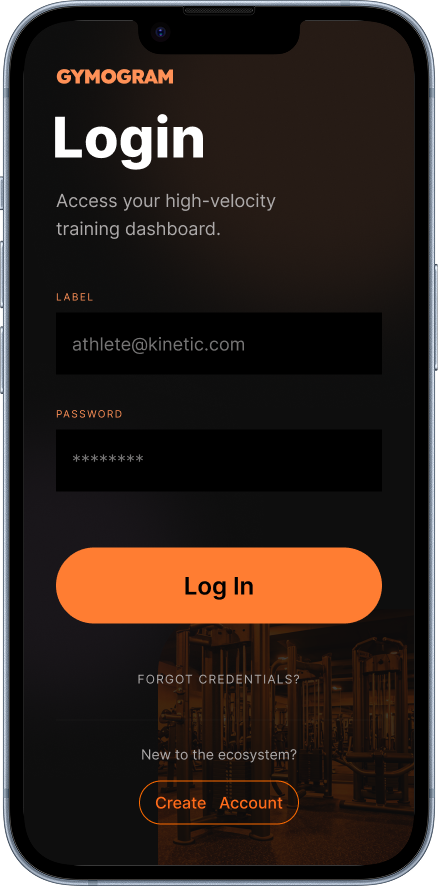
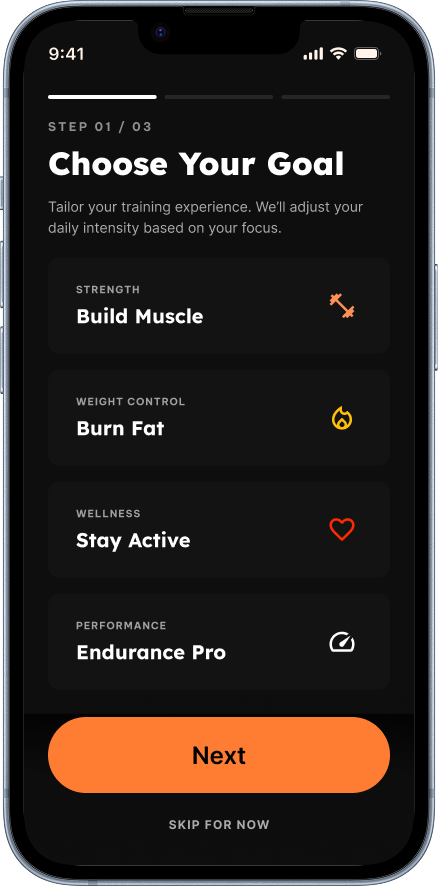
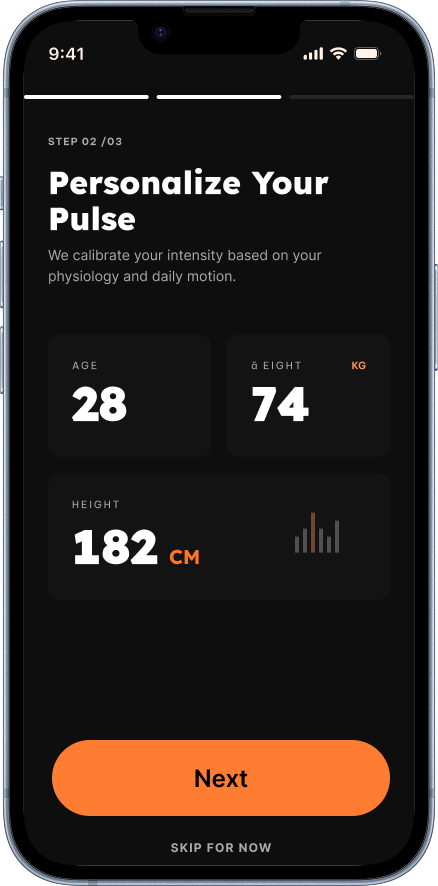
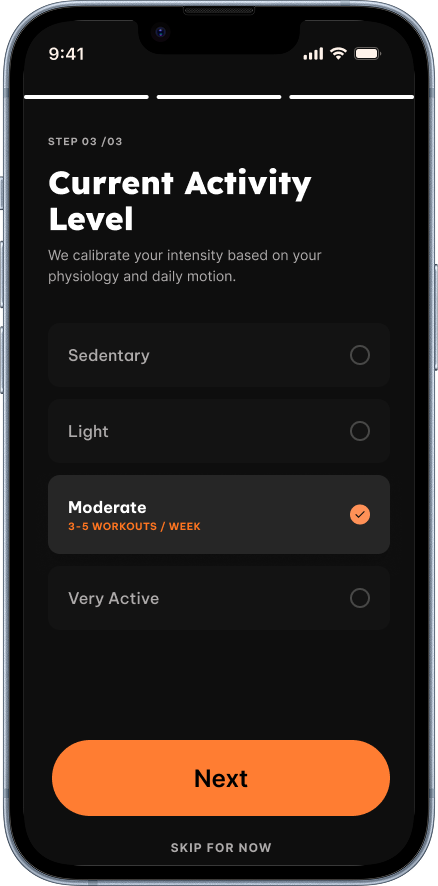
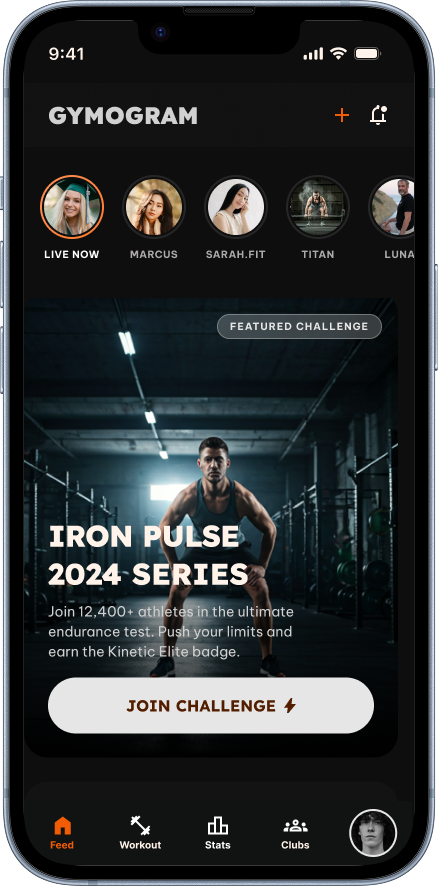
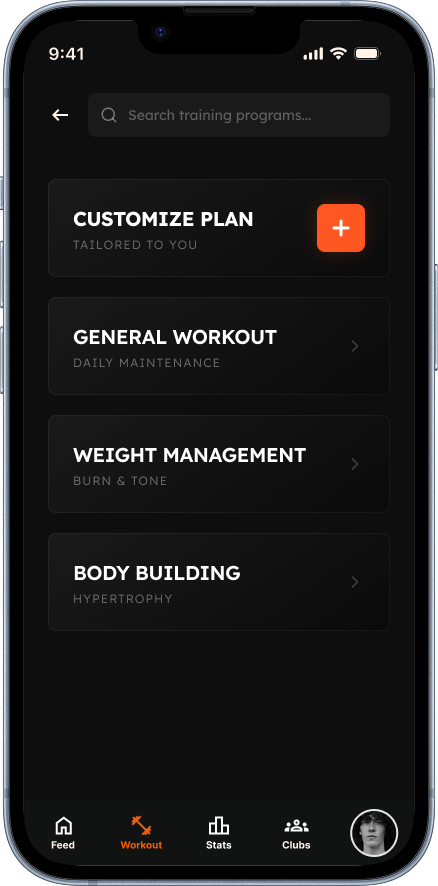
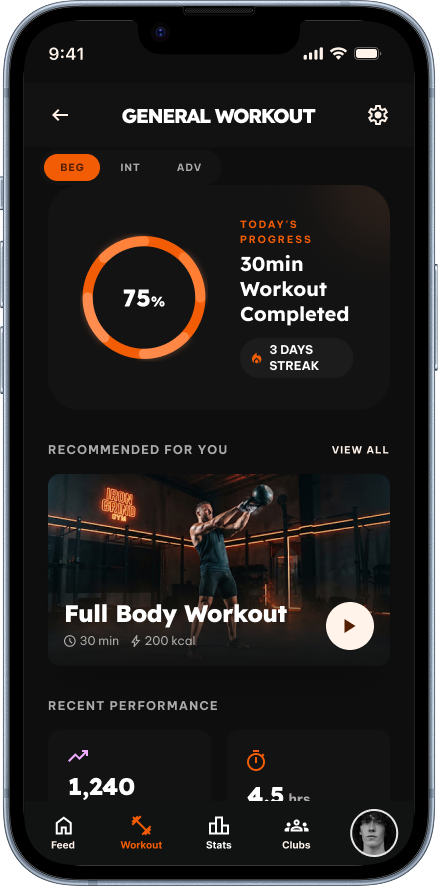
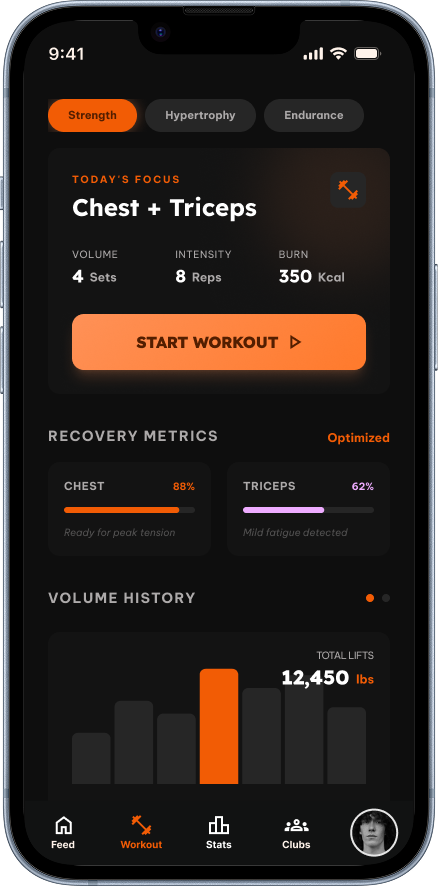
The final interface combines a modern dark theme with energetic orange accents to create a focused and motivating experience. Each screen was designed to reduce friction while supporting the user's fitness journey from onboarding to long-term engagement.
Key Features
Workout Plans
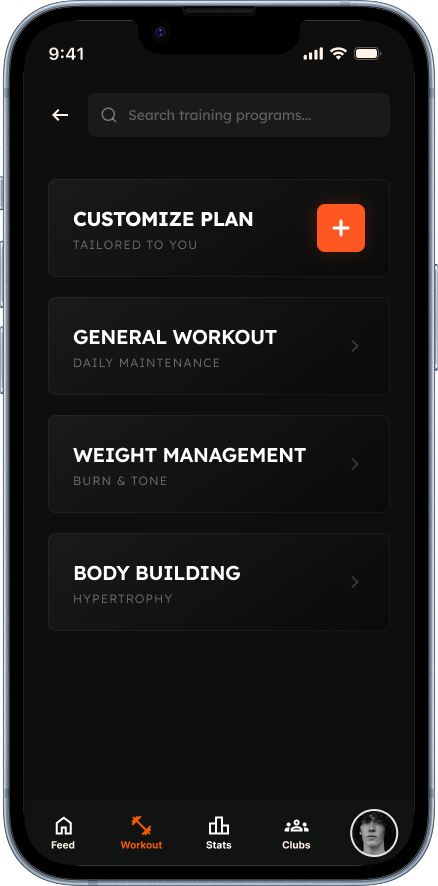
Personalized workout plans that adapt to each user's fitness level, goals, and preferences. Plans evolve as users progress, ensuring continuous challenge and growth.
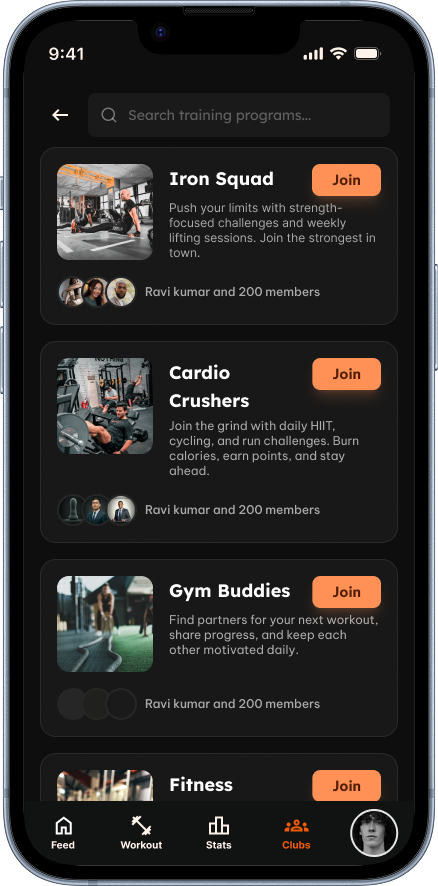
Communities
Join communities based on fitness interests, goals, or location. Share progress, exchange tips, and find workout buddies who keep you accountable.
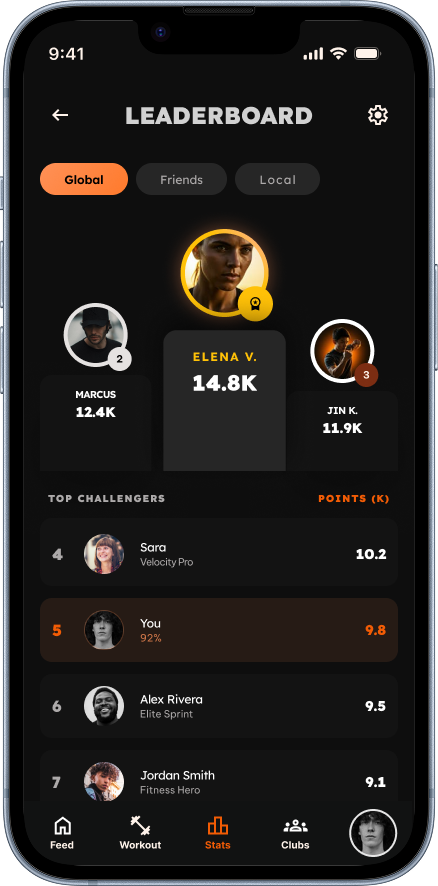
Leaderboard
Real-time leaderboards that rank users by activity, consistency, and challenge performance. Friendly competition fuels motivation and regular participation.
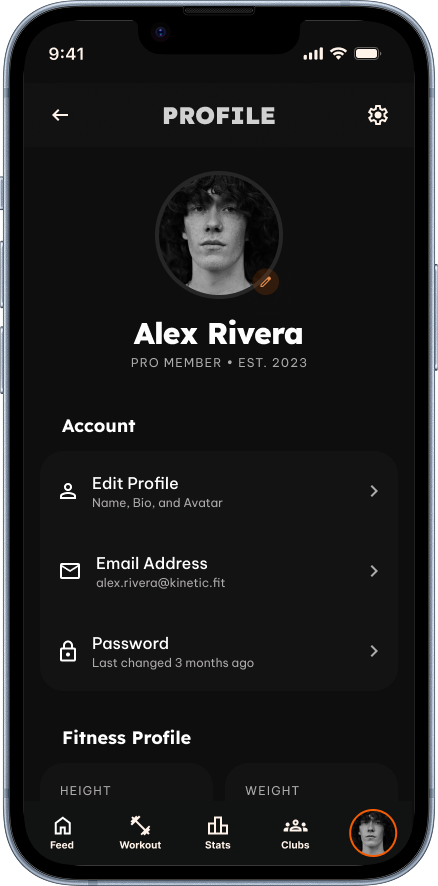
Profile
A comprehensive profile showcasing achievements, badges, workout history, and progress metrics. Users can share their fitness journey and inspire others.
Challenges
Designing a fitness platform that balanced workout functionality with social interaction required careful prioritization.
Balancing Social & Fitness
Ensuring that community features enhanced the fitness experience without distracting users from their primary goals.
Scalable Design System
Creating a system that could support future features while maintaining consistency across every screen.
Reflection
End-to-end product design — This project strengthened my understanding of the full design process, from research and user flows to design systems and high-fidelity interfaces.
Validate early, polish later — It reinforced the importance of validating ideas early through sketches and wireframes before investing in polished visuals.
Design for growth — Building a scalable component library highlighted the value of designing for long-term product growth rather than individual screens.
Thank You
This case study represents a complete product design journey — from initial research through to a polished, scalable fitness platform.
Designed by
Sagar Shivaji
Product Designer